The number of views is the biggest single factor in the cost and timing of a visualisation project. Order too few and your client, investor or planning officer is left guessing about the parts you did not show. Order too many and you pay for images that never get used. The right number depends less on the size of the building and more on where the images will be used and what questions they need to answer.
Start with where the images will be used
Before counting views, list where each image will appear. A planning submission needs accurate context and street views. A sales launch needs one strong hero image and the spaces buyers ask about. A client approval meeting needs the rooms that are still being decided. A competition entry needs a few memorable images that explain the idea quickly. The same building can need a very different set depending on the job.
Know what each type of view does
- Hero exterior: the main image that carries the project. Usually the most considered angle, often at golden hour or dusk.
- Eye-level street or garden view: shows how the building feels to someone standing in front of it.
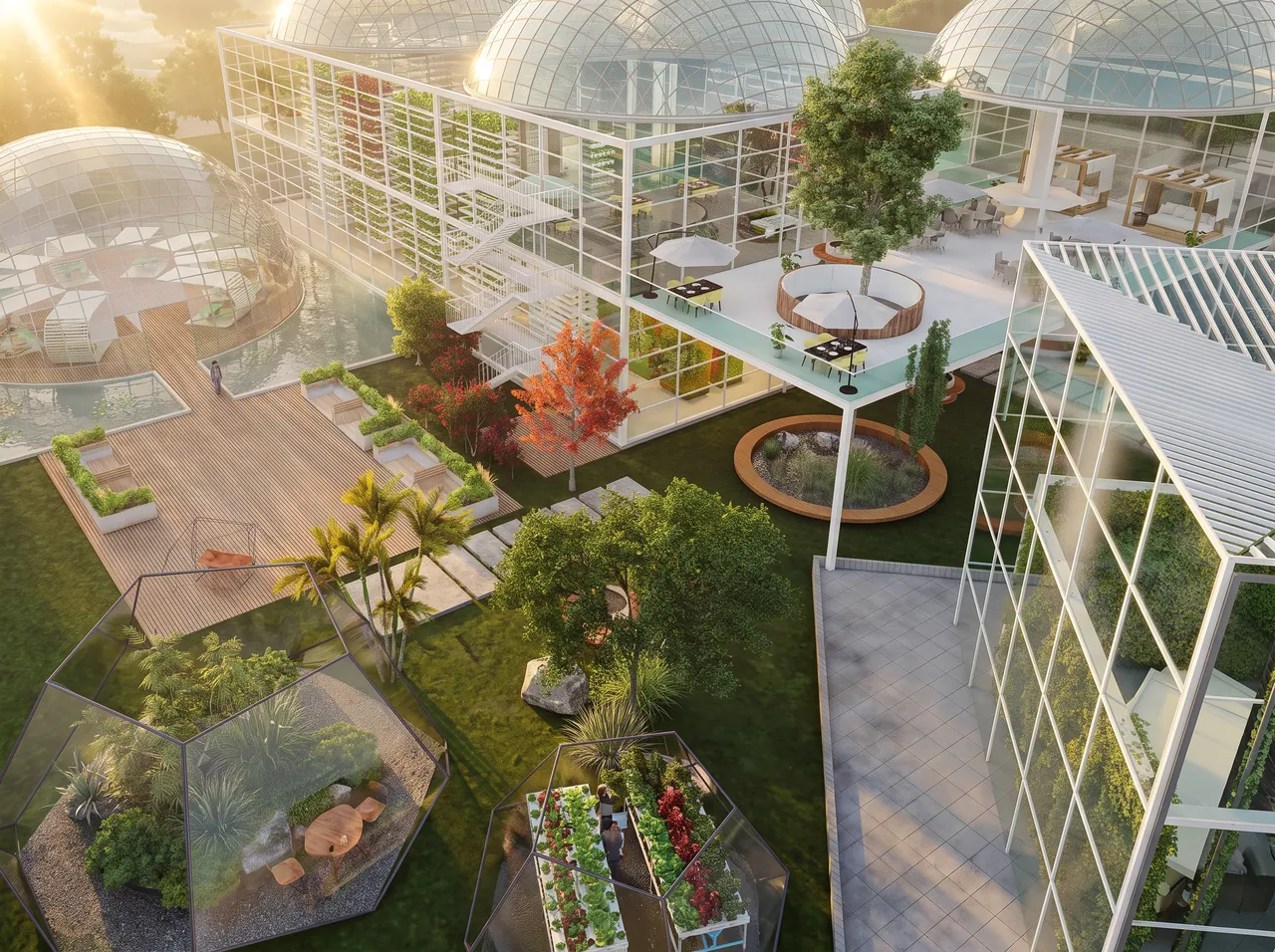
- Aerial view: explains scale, layout and surroundings. Essential for anything larger than a single house.
- Interior view: answers the questions buyers and clients care about most, such as how the living space feels and what they will see from the window.
- Detail view: a close look at a material, a junction or a piece of joinery. Useful for interiors and products.
Typical sets by project type
These are starting points we use when advising clients. Your brief may need more or fewer.
- Private house or villa: 3 to 5 views. A hero exterior, the garden or pool side, the main living space and, if budget allows, a dusk version of the hero.
- Residential development or apartment building: 6 to 10 views. A hero exterior, an aerial for context, the entrance or lobby, a typical apartment living room, the view from a balcony and the main amenities.
- Interior project such as a home, office or shop: 1 to 2 views for each key room, with two angles of the main space so the layout reads clearly.
- Restaurant, café or hotel: 4 to 6 views. The entrance or facade, the main dining or lounge area, the bar, and one detail that shows the materials. A night version often matters most here.
- Masterplan: 4 to 8 views. An overall aerial, an eye-level street, the main public space or amenity, and one image at the scale of a single home.
- Furniture or product: 3 to 4 views. A three-quarter view, a close detail, the piece in a room setting and, if needed, a clean studio background for catalogues.
Order the hero image first
If budget or time is tight, invest in one excellent hero image before anything else. It will be used on the cover, the website, the hoarding and every social post, so it deserves the most attention. A strong hero and three supporting views will do more for a project than eight images of average quality.
A second light is cheaper than a second angle
Showing the same view in a different light, for example day and dusk, usually costs less than a new camera angle, because the model, camera and materials are already set up. It also gives you a striking pair for presentations and social media. If you are choosing between one more angle and a dusk version of your hero, the dusk version is often the better buy.
Agree the camera angles early
The cheapest moment to change a view is before any materials or lighting go on. We send camera options on a plain clay model first, so you can approve angles, heights and framing while changes take minutes. We explain this stage in Before and after: how a clay model turns into a final render.
Signs you need more views, or fewer
- You need more if people keep asking the same question in meetings, such as what the kitchen looks like or how the building meets the street.
- You need more if one image is doing two jobs, for example a hero exterior that also has to explain the site layout.
- You need fewer if two views show nearly the same thing from slightly different positions.
- You need fewer if an image has no clear place in the brochure, website or presentation.
Not sure? Send us the drawings
Cast & Void is the studio of architect Yousaf Jamil. We work with architects, developers, interior designers and product brands, fully online, for clients around the world. Send us your drawings or model and tell us where the images will be used. We will recommend a set of views and come back with a quote, usually within 24 hours. You can see what to include in What to send your rendering studio, and how to compare studios in How to choose an architectural visualisation studio.